


Amsterdam doesn't do things quietly. The city that reinvented urban cycling and pioneered canal-side density now wants to phase out gas heating entirely by 2040. However, its electrical grid is quietly hitting a wall.
Connecting new buildings or facilities already means joining a waiting list. Across the Netherlands, around 14,000 businesses are waiting to get connected. The electrification agenda isn't slowing down, but the grid that is supposed to support it is already at its limit.
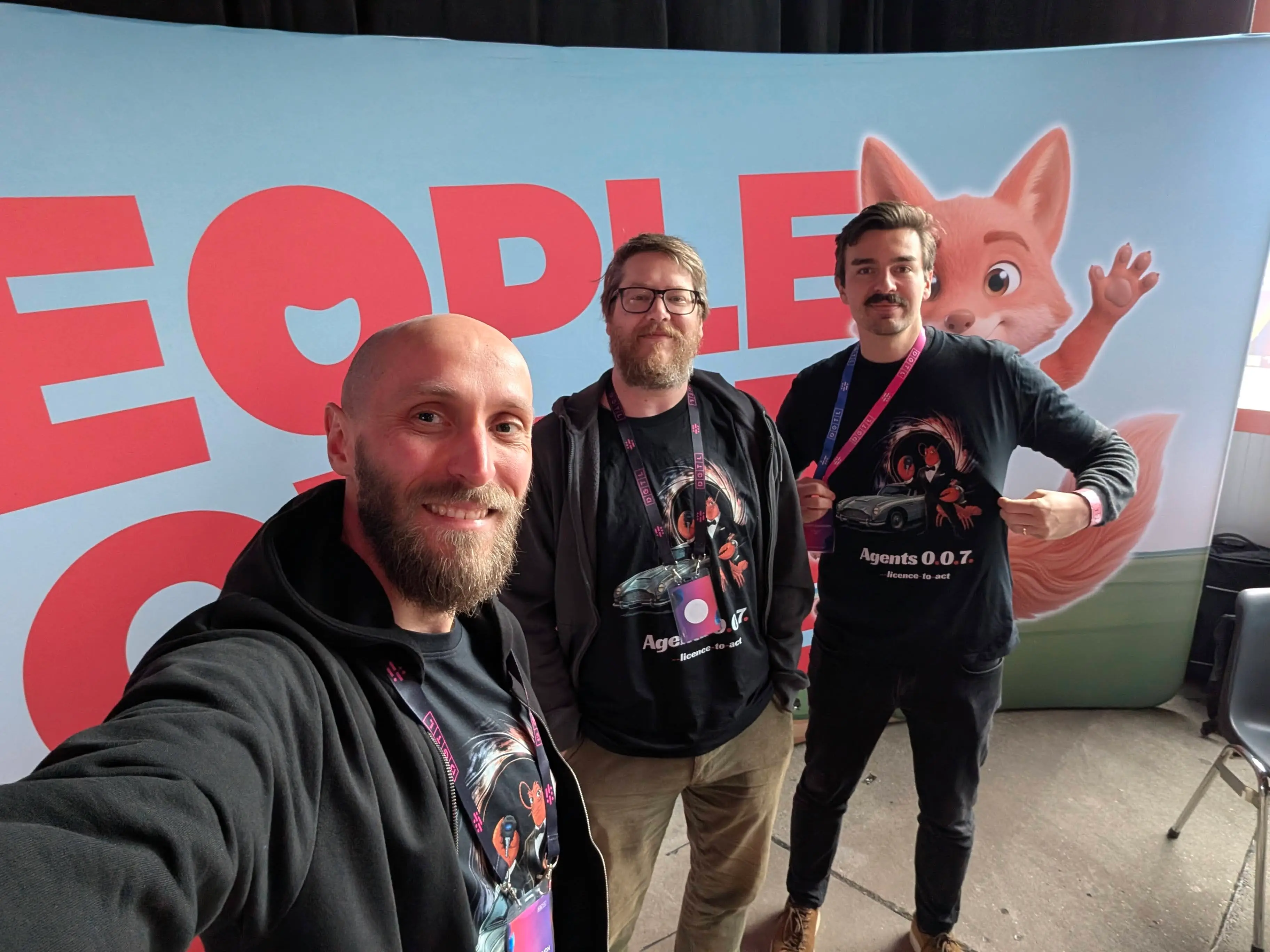
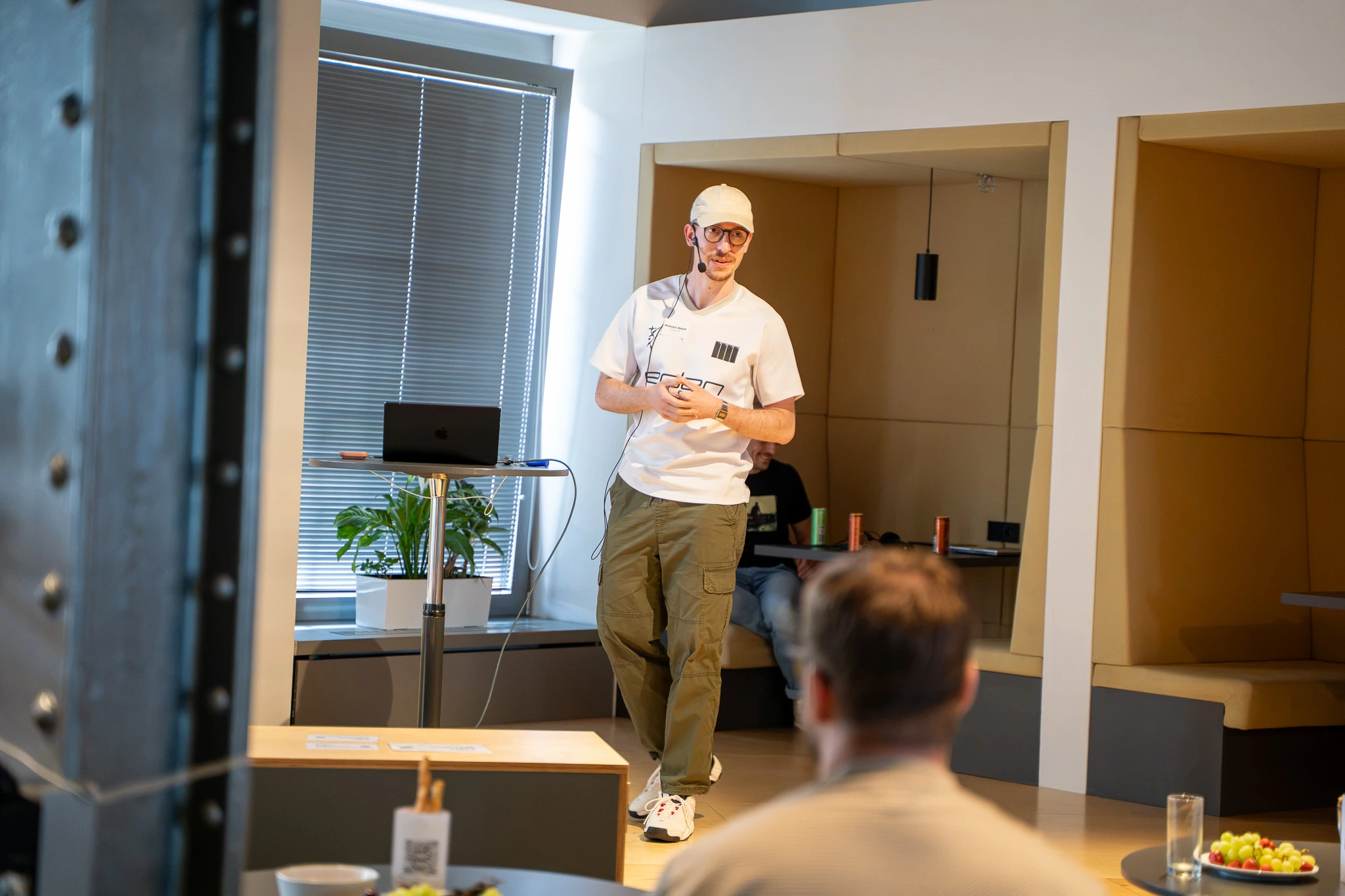
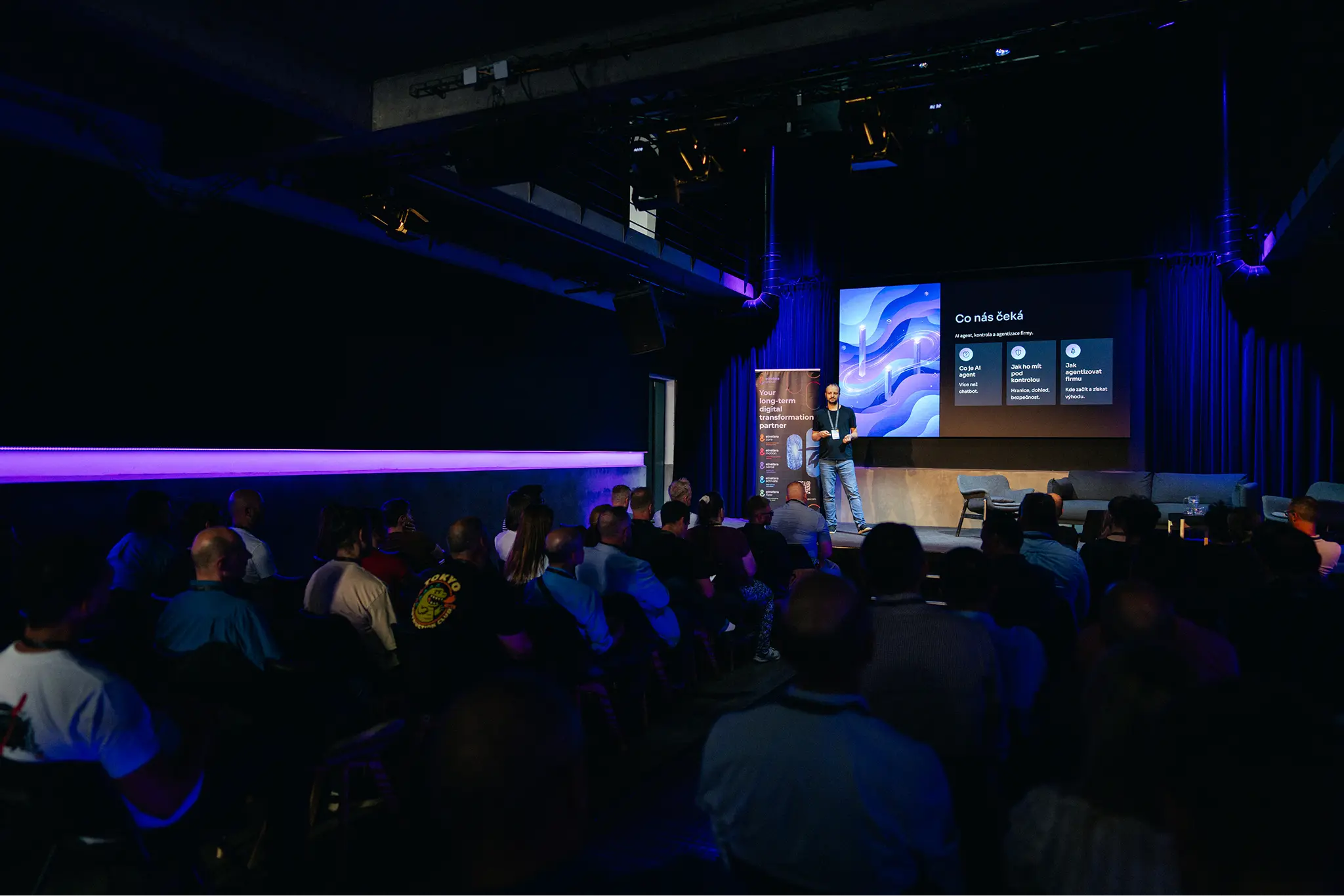
That gap brought part of our team to Amsterdam for the Synergy Hackathon at the DGTL Festival.
As the organisers put it, feeling 'the 48-hour clock ticking on the wall and the weight of pitching when you haven't slept properly' teaches you things no conference room ever could. We spent two days exploring how digital layers can solve physical capacity problems.
The challenge: When physical infrastructure hits its ceiling
Our team chose to focus on Marineterrein, a former naval site turned innovation district. Despite its high-tech ambitions, the entire area relies on a single grid connection with a capacity that cannot be increased.
During our deep dive, we found a common "resilience myth." We met stakeholders, like a local brewery owner, who felt secure because they had solar panels on their roof.
But in reality, if the shared grid connection fails or hits its limit, those solar panels won't keep the beer cold during a blackout. True resilience isn't individual; it is a community problem.
What our team built: From grid-dependent to grid-flexible
Instead of designing a theoretical framework, the Flow team built a Minimum Viable Product (MVP) modelling tool.
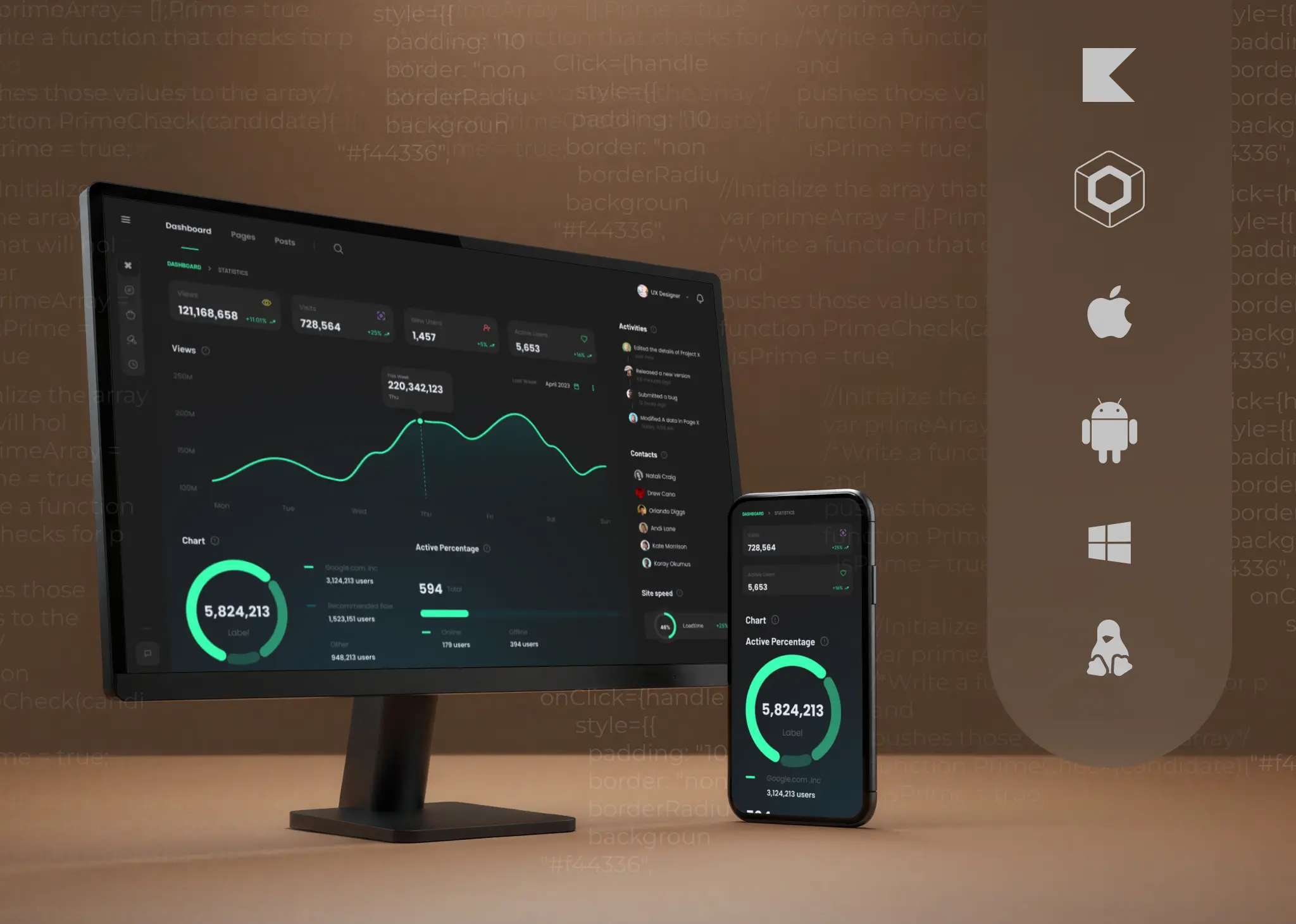
This app allows users to map inputs and outputs, such as batteries, PVs, and power-hungry devices, using a user-friendly drag-and-drop interface. It turns complex energy systems modelling into a visual and accessible task.
This app allows users to map inputs and outputs, such as batteries, PVs, and power-hungry devices, using a user-friendly drag-and-drop interface. It turns complex energy systems modelling into a visual and accessible task.
The next stage was mapping out a five-phase transition journey for the district to move from grid-dependent to grid-flexible:
- Eliminate Blind Spots: Shifting from monthly Excel logs to real-time monitoring.
- Energy Management Systems (EMS): Site-wide limits and shifting energy-hungry production, like the brewery’s boiling cycles, away from peak hours.
- Scale Green Infrastructure: Integrating local solar panels, quay-wall heat pumps, and circular EV batteries to store and use energy locally.
- The Energy Hub: Formally legalising the area as a shared hub to allow for localised electricity sharing between buildings.
- Stabilise the Grid: Acting as an aggregator. The district can earn revenue by discharging batteries and reducing load to prevent congestion in the broader Amsterdam grid.
Why usability is the missing link
One of the core insights from the event was that most energy management tools are built by and for energy experts. This creates friction and stalls adoption. This wasn't just our observation.
In their closing remarks, the organisers noted: 'every team found people before technology... ontology before dashboard.' At Etnetera Flow, we see the boundary between digital systems and physical infrastructure getting thinner.
Surviving the capacity crunch requires more than large batteries. The cities that succeed will be the ones deploying highly usable software. Whether it is a mobile app or a city-scale data system, it has to work reliably for the end user under real conditions, without requiring a manual.
It is something we have encountered before. Working with Veolia, we spent years making complex energy and water data legible for everyday users, not just the engineers managing the system.
From Amsterdam to Copenhagen: Replicability
While the hackathon focused on the Netherlands, the problem is universal. In Denmark, for example, the challenge shifts from gas-dependency to balancing a massive amount of wind energy and a rapidly growing EV fleet.
The data infrastructure in Denmark is already ahead, with smart meters acting as the standard. This makes the market ripe for the kind of user-facing modelling and management tools we prototyped in Amsterdam.
We are already starting conversations with Danish industry contacts to explore how these solutions can be adapted for the Nordics.
It is not our first time working at this intersection. Beyond Veolia, we have worked with a Swedish operator of self-sufficient facilities on measuring and visualising the environmental impact of their energy systems.
The value of showing up
What also stood out was the format itself. This wasn't a competitive hackathon where teams race to outdo each other. Knowledge moved across groups freely. People worked toward something collectively useful rather than toward a podium.
Bringing the right minds together naturally produces an integrated roadmap. It avoids the common trap of building disconnected, one-off solutions.
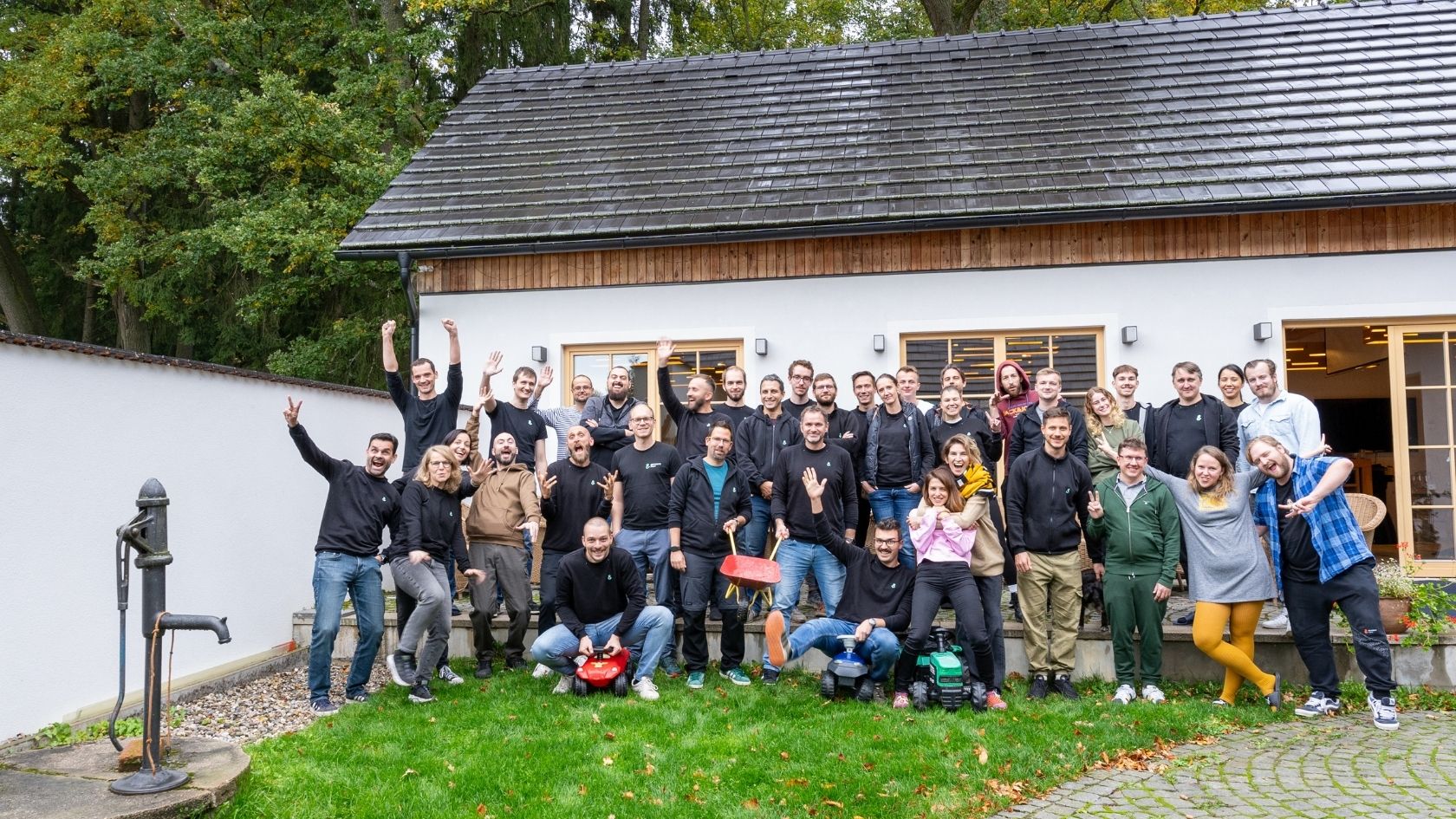
We apply this exact collaborative principle to our long-term partnerships at Etnetera Flow. We build digital products that operate at the intersection of complex systems and real human behaviour.
If you’re working on infrastructure challenges that need a strong, user-centric digital layer, we’d love to talk. We might even tell you the story of how we used Gemini to pitch a "no beer left behind" policy for Amsterdam's blackouts.


.webp)
.webp)
.webp)


.webp)
.webp)

.webp)

.webp)


.jpg)
.jpg)
.png)
.avif)

.avif)


