


.webp)

"I could tell from the very first call that this wasn’t going to be just another hiring process," one recent candidate told me. That kind of feedback shapes how I approach recruitment. For me, hiring is about creating an experience that builds trust, sparks genuine interest, and lays the foundation for long-term success. At Etnetera Flow, the way we communicate, design roles, and connect with people from the first touchpoint matters just as much as the job itself.
This approach is shaped by hiring experienced professionals who care deeply about their work, their growth, and the teams they join. So what does that look like in practice? How do I approach the hiring process to attract talented professionals while ensuring the job matches both their expectations and ours?
Candidate experience is a two-way street
Hiring shouldn’t be a one-way evaluation. When candidates are treated as active participants, given feedback, clarity, and opportunities to improve, the process becomes a mutual exchange.
In our recruitment process, we share mini-feedback sessions throughout the selection stages. This isn’t a common practice for companies, but it changes everything. We can distinguish between team and individual achievements early on, and we see how candidates grow even before they join us. The conversations in later rounds are richer and more relevant because they build on real progress.
Together with the hiring manager, we assign practical tasks that mirror the actual work. Candidates present their work, explain their thinking, and defend their approach. This is where we see problem-solving skills, communication style, and adaptability in action. That tells both the candidate and us far more than a static deliverable.
When talking to candidates, I am always clear about the process, stages, and knockout criteria, so they know exactly where they stand. The result? Less anxiety, more trust, and stronger matches on both sides.
💡 A Flow tip: Be open about the recruitment process and criteria. Clarity reduces stress and helps candidates prepare meaningfully.
Don't describe the job, design it
Sometimes, the right hire doesn’t fit neatly into a predefined box, and that is perfectly fine. This is why I think in terms of job design rather than rigid job descriptions.
When I find someone exceptional, I work with the hiring manager to shape the role around their strengths. This might mean adjusting responsibilities, rethinking the scope, or even designing a hybrid position.
“When we first discussed my role, it included areas I could do but would not enjoy. We agreed to focus on the parts of the work I love and excel at, and it has been a great collaboration ever since,” shared one of our hires.
This is how we have built partnerships that did not seem obvious at first, like turning an initial hiring conversation into a long‑term external collaboration, or recognising a project manager’s crisis management talent and placing him where he can make the biggest impact.
I also make sure that the roles are designed in the context of the whole team. A star performer in the wrong team setup won’t thrive. We look for complementarity in skills, personalities, and work styles that lift the entire group. That’s how a person can fully immerse themselves in our culture.
💡 A Flow tip: Flexibility in role design can unlock great hires you might otherwise miss.
Meet the culture before you join
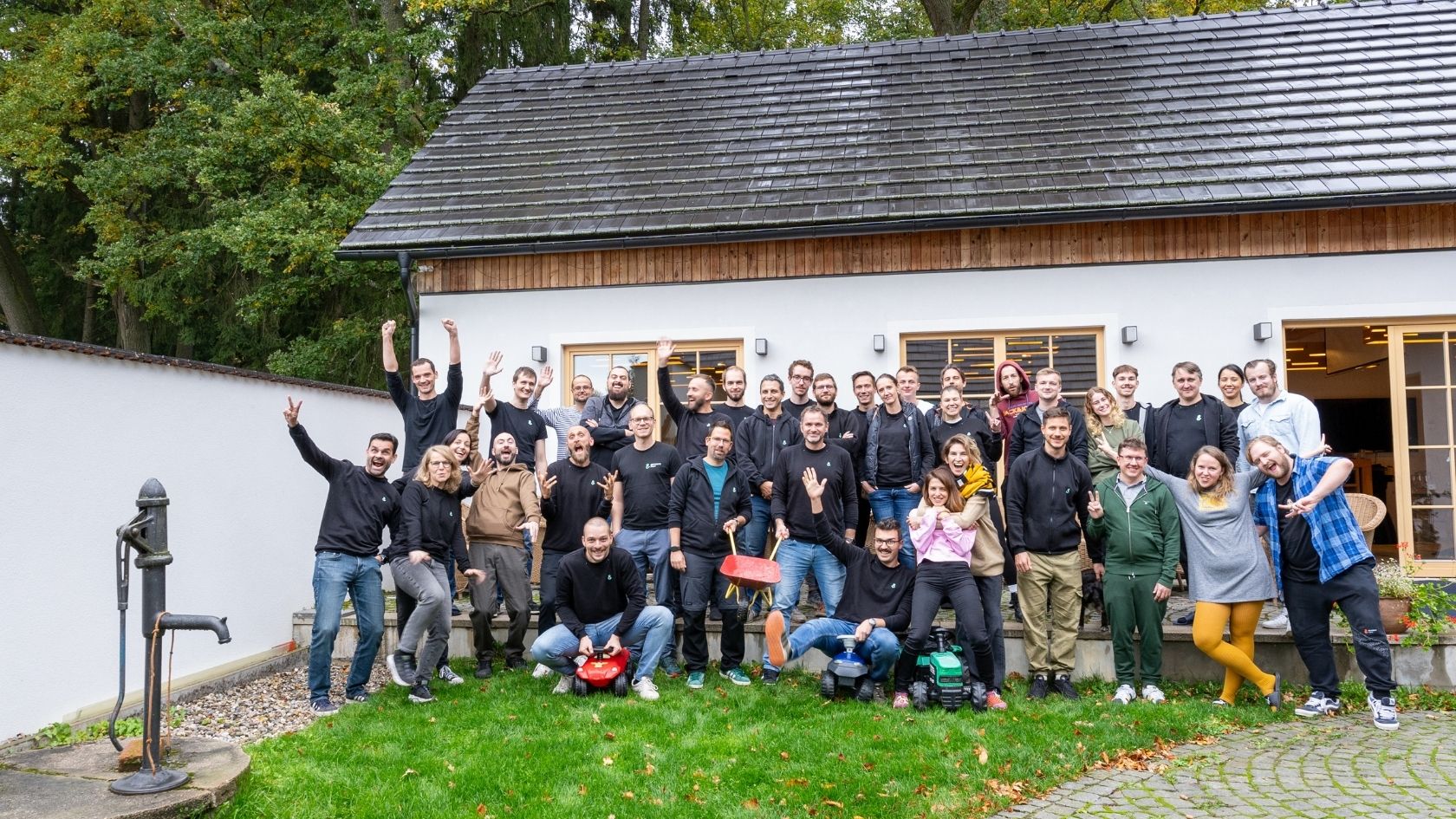
I believe candidates should experience our culture from the very start. Many companies rely on recruitment videos; we don’t. Such videos often show what a company wants its culture to be, not what it truly is. Our team circle meetings let candidates meet a real cross-section of our people, ask candid questions, and experience the team dynamic firsthand. There’s no script, and no staged moments.
Candidates consistently tell us this gives them a much clearer, more honest sense of what it’s like to work at Etnetera Flow than any marketing material could.
It was great to observe how the team worked together, how they handled disagreements, and how they supported each other, and it helped me understand if I could see myself as part of this team,” one candidate shared.
This authenticity makes the transition from candidate to new hire feel natural, setting up a smoother onboarding journey.
💡 A Flow tip: Let candidates meet the team early. Real interactions build a stronger connection than polished HR marketing.
From hiring to onboarding
Recruitment doesn’t end with the job offer. For me, hiring, onboarding, and development form a continuous experience.
I share information from the recruitment process with those leading onboarding, so they already understand the new hire’s strengths, working style, and potential challenges. That makes it possible to tailor the onboarding plan, whether it’s accommodating remote work, introducing them to specific colleagues first, or pacing their integration based on personality.
For example, one of our developers started by keeping a deliberate distance, observing how things worked before jumping in. This detail comes directly from our recruitment-to-onboarding notes. Because we knew this, we gave him space early on, and he’s now a deeply engaged, valued team member.
Our flow guide system also supports this personalised approach. A flow guide is a mentor chosen for the right personal fit. This ensures new hires have someone they can trust, outside of formal hierarchy, to help them navigate both the work and the culture.
💡 A Flow tip: Share candidate insights with onboarding teams. It creates a seamless, personalised transition.
Saying no with clarity and respect
Even after years in recruitment, rejecting a candidate remains the most difficult part of the process for me. Communicating a negative decision clearly and respectfully is still an area where I continue to learn and grow. My colleagues often give me feedback on this, and they say I have improved over time. Or that I simply irritate them less now.
What I have learned is that transparency matters most at this very moment. When delivering a negative outcome, I focus on being clear first. I communicate an unambiguous no, so candidates immediately know where they stand. Only after that do I explain the reasoning. In the past, I tried to soften the message by explaining too much before stating the outcome.
Beyond the decision itself, I always offer candidates the option to receive specific and constructive feedback collected across the Flow team. I never push it immediately. Not everyone wants detailed feedback, and that is completely fine. But for those who do, it can be genuinely helpful.
One example that stayed with me was a candidate who later wrote to us saying that our feedback helped him reconsider his career direction and stop pursuing sales roles altogether. Knowing that our perspective helped someone make a clearer decision even outside of our company meant a great deal to us.
For me, this is what transparency and authenticity in hiring truly mean. Not just attracting great people, but treating everyone in the process with respect, clarity, and honesty. Even when the answer is no.
💡 A Flow tip: Be clear and honest. How you say no often matters more than how you say yes.
In the end, hiring is not about filling roles as quickly as possible. It is about building trust from the very first conversation and carrying it through every step of the journey. That trust is what turns candidates into committed teammates. Check out which roles I’m currently looking for.


.webp)

.webp)
.webp)

.webp)
.webp)
.webp)


.jpg)
.jpg)
.png)
.avif)

.avif)


